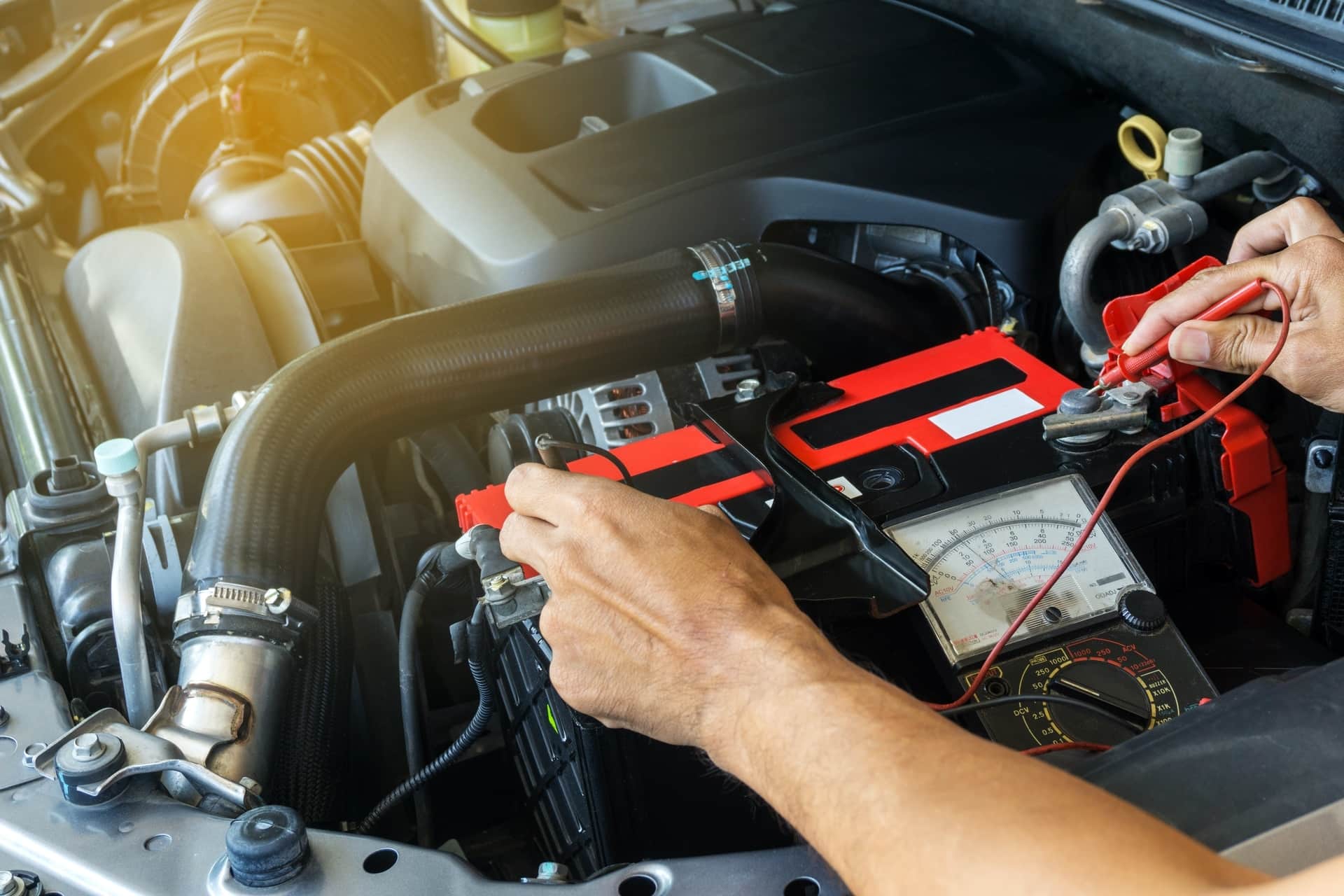

BMW Oil Leak Repair on a BMW M40i with a Persistent Problem
Nothing about the way the BMW drove suggested an immediate issue. It continued to perform as expected, with no change in how it felt on the road. The concern for Mrs P came from what she kept noticing after the car had been parked, oil appearing beneath the rear of her BMW M40i.
At first, it was difficult to judge what it meant. The oil wasn’t pooling heavily, and there was nothing obvious to explain where it was coming from. However, as the marks continued to appear in the same place, it became clear that the problem wasn’t going away on its own.
Oil leaks can be particularly frustrating from a driver’s point of view. What’s visible on the ground doesn’t always reflect where the oil is escaping from, and without a professional inspection, it’s easy to be left without clear answers. Wanting the issue checked thoroughly, Mrs P decided to have the BMW assessed by a garage with experience in careful fault investigation.
Following a recommendation, she contacted Roade Main Garage, an independent BMW specialist garage supporting drivers across Northampton and Milton Keynes. The BMW was booked in for a technical evaluation so the source of the problem could be identified accurately and the correct BMW oil leak repair planned.
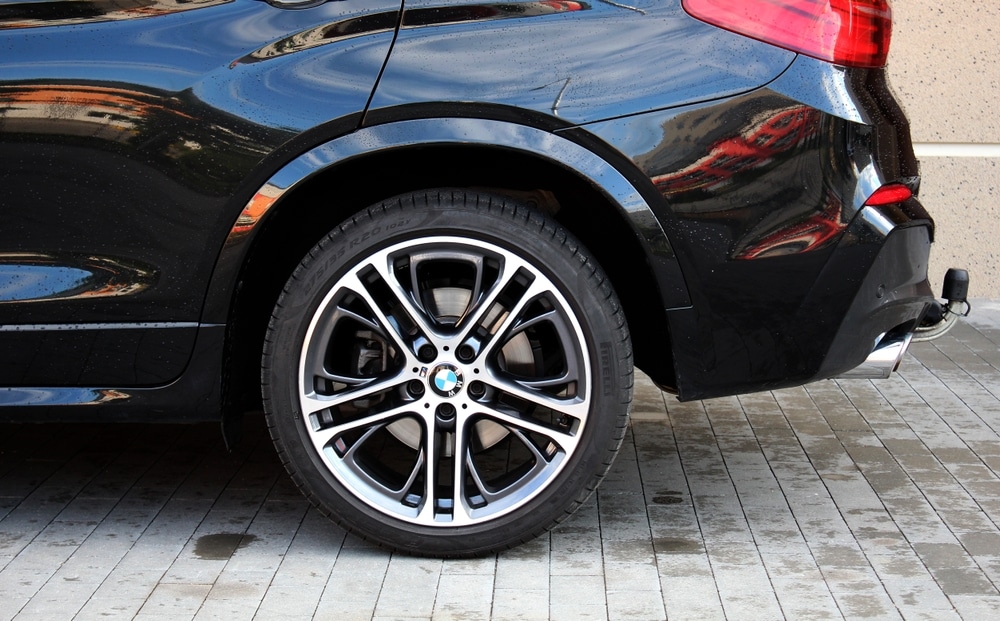
BMW Oil Leak Repair: Reviewing the Evidence on Arrival
When Mrs P brought her BMW M40i into Roade Main Garage, the first step was to understand what she had been seeing from her own perspective. We talked through when the oil first appeared, how often it had been noticed, and whether there had been any change at all in how the vehicle behaved. Taking the time to gather this information helps set the direction for the inspection and ensures the customer’s observations are fully understood before any checks begin.
With that background in place, the BMW was raised so the underside could be examined in detail. Oil was visible around the rear of the vehicle, and its condition showed that the leak was current rather than residue left behind from earlier work. This confirmed that oil was still being lost and that further investigation was required.
Given where the oil was present and the layout of the BMW M40i, attention was directed towards the rear drivetrain area. Components in this part of the vehicle operate continuously under load and depend on correct lubrication, which makes identifying the source of any oil loss accurately an important early step.
As part of the evaluation, the BMW was also checked for stored fault codes. Some oil leaks are accompanied by fault codes, while others are not. Carrying out a scan helps rule out related issues and provides a clearer picture of the vehicle’s overall condition. In this case, the scan returned no fault codes.
At this stage, the presence of an oil leak had been confirmed, but its precise point of escape had not. To progress further, a more detailed inspection of the rear underside was needed to establish where the oil was coming from and which component was responsible before any repair could be planned.
BMW Differential Oil Leak: Pinpointing the Point of Oil Loss
Following the Oil Back to Its Origin
With the initial evaluation complete, the next stage was to work out where the oil was actually escaping from. On vehicles such as the BMW M40i, oil doesn’t always appear directly beneath the failed component. As the car is driven, oil can move across casings, heat shields, and underbody panels before becoming visible, which makes careful inspection essential.
To create a clear starting point, the rear underside of the BMW was cleaned thoroughly. Removing existing oil residue allowed the technicians to separate oil that had already spread from any fresh oil appearing during reassessment. Once cleaned, the vehicle was checked again, paying close attention to where new oil began to show.
Working Through the Possible Leak Points
With the underside clean, focus remained on the rear of the vehicle. At this stage, there were several components that could realistically account for the oil pattern that had been observed. These included the differential casing, the areas where the drive shafts connect, and the input area at the front of the differential where the prop shaft enters the unit.
Each of these locations was examined in turn. The differential casing showed no signs of oil escaping along its sealing surfaces. The output areas at the drive shaft connections were also dry, with no indication that oil was migrating from those points. Working through each area in sequence made it possible to narrow down the likely source of the leak.
Confirming the Failed Differential Component
As the inspection progressed, a consistent pattern became apparent. Fresh oil was forming at the front of the differential, concentrated around the input area where the prop shaft connects. This differed clearly from the other areas that had already been checked and helped refine the focus further.
Attention then turned to the rear differential input shaft oil seal. This seal is designed to retain oil within the differential while allowing the input shaft to rotate continuously under load. When it begins to fail, oil can escape from this point and spread across the surrounding components.
Further checks confirmed this was the source of the oil loss. Oil was tracking from the input shaft area, with no signs of leakage elsewhere on the differential. The oil level and condition were also assessed, confirming that the BMW differential oil leak had been identified before any wider damage had developed.
With the cause now clearly established, the next step was to work out the repair.
Replacing the Rear Differential Seal on a BMW M40i
Before any repair work was carried out, the findings were explained clearly to Mrs P. This included what had been found during the inspection, which component was responsible for the oil loss, and what would be involved in resolving the issue. Once the repair plan had been agreed, the BMW was prepared for work.
The BMW oil leak repair was completed in several key stages:
Preparation and Technical Reference
Before starting the rear differential seal replacement, BMW manufacturer repair information was reviewed to confirm the correct method for the BMW M40i. This ensured the work would be carried out in line with BMW’s official standards.
This stage included:
- Reviewing the specified repair procedure for the differential input shaft seal
- Checking the correct tightening values for all related fixings
- Preparing specialist BMW tooling required to complete the repair accurately
Taking this step helps ensure all components are refitted exactly as intended once the repair is complete.
Gaining Access to the Differential Input Area
The BMW was positioned to allow safe and controlled access to the rear of the vehicle. From there, access was gained to the front of the rear differential where the prop shaft connects.
This involved:
- Accessing the prop shaft connection to expose the differential input area
- Removing components only where required to reach the oil seal
- Keeping disturbance to surrounding parts to a minimum
Maintaining correct alignment during this stage is important to avoid unnecessary issues during reassembly.
Removing the Failed Oil Seal
With clear access established, the rear differential input shaft oil seal was removed carefully. The surrounding area and sealing surfaces were checked again to confirm there were no additional sources of oil loss that could affect the repair.
These checks helped confirm that:
- The input shaft oil seal was the sole source of the leak
- No oil was escaping from the differential casing or output areas
- The sealing surfaces were suitable for installing the replacement seal
Installing the Replacement Seal
A BMW-approved replacement oil seal was fitted in place of the failed component. Care was taken to position the seal accurately so it could retain oil within the differential while allowing the input shaft to rotate continuously under load.
Accuracy at this stage is critical, as incorrect positioning can lead to further oil loss over time.
Differential Oil Replacement
Because oil had been lost as a result of the leak, the rear differential oil was replaced using BMW-approved lubricant. Restoring the oil to the correct level ensures the differential continues to operate as intended following the repair.
Reassembly and Final Checks
Once the seal replacement was complete:
- All removed components were refitted in line with BMW procedures
- Fixings were tightened using the specified torque values
- The repair area was cleaned thoroughly to allow a clear inspection
The underside of the vehicle was then rechecked to confirm the differential area remained dry. A final inspection was carried out before the BMW was prepared for return to Mrs P.
The BMW M40i After the Oil Leak Was Resolved
Following the repair, the BMW M40i was checked again before being prepared for return. The rear differential area remained dry, confirming that the oil loss had been successfully addressed and that no further oil was escaping from the repaired seal.
Resolving the issue at this stage helped prevent continued oil loss from affecting other components within the differential. By identifying the source accurately and carrying out the correct repair, the vehicle was left in a condition suitable for normal day-to-day use.
Before handover, the underside of the BMW was inspected once more to ensure the repair area remained clean and free from oil. Mrs P was then able to collect the vehicle, knowing the oil leak had been resolved and that the BMW was ready to be driven as usual.
Clear Advice and Support for BMW Oil Leak Repairs
Oil appearing beneath a BMW isn’t always easy to interpret, especially when the vehicle continues to drive normally. What matters is understanding where the oil is coming from and addressing it before it has a chance to affect other components.
At Roade Main Garage, we take a measured, evidence-led approach to BMW oil leak diagnosis and repair. By carrying out a thorough inspection before any work is planned, we’re able to give clear explanations and recommend the right repair for the issue found.
We are a BMW specialist garage, supporting BMW owners across Northampton and Milton Keynes, offering:
- Careful fault-finding carried out by experienced technicians
- Access to manufacturer repair information and specialist tooling
- Clear communication before any repair work begins
- A 12-month parts and labour guarantee
Our Google reviews reflect the standard of service we aim to deliver, with an average rating of {{average-rating}} stars from {{review-count}} customer reviews.
If you’ve noticed oil beneath your BMW or have concerns about a possible leak, call 01604 862262 to arrange a technical evaluation with Roade Main Garage.