
Diesel Particulate Filter Explained: Essential Knowledge for Diesel Owners
DPF… It’s a term most diesel owners meet eventually. Perhaps on a dashboard warning light, perhaps on a repair bill, or in conversation with a technician.
If you own a modern diesel-engined car, you’re probably aware that it has a diesel particulate filter (DPF). What it actually does is another matter, and you’ve likely wondered: How does it stay clean? What happens when it can’t?
Fitted to your car’s exhaust, a diesel particulate filter (DPF) helps trap particulate matter (soot), stopping it leaving your car. It burns trapped soot away through regeneration, provided the engine and exhaust system reach and maintain suitable temperatures. Short journeys are the most common reason regeneration doesn’t complete; faults can prevent it, and without regular cycles the filter grows restricted.
However, your vehicle’s DPF is only one part of the picture. It belongs to your car’s diesel emissions system, so we’ll touch on the related systems briefly too.
They matter because they can change how much soot reaches your filter, and their warnings can sometimes look like DPF problems.
Throughout this expert guide, you’ll see what your diesel particulate filter does, the role regeneration plays, and the habits that help it keep working as designed.
The Reason Modern Diesels Carry a Particulate Filter
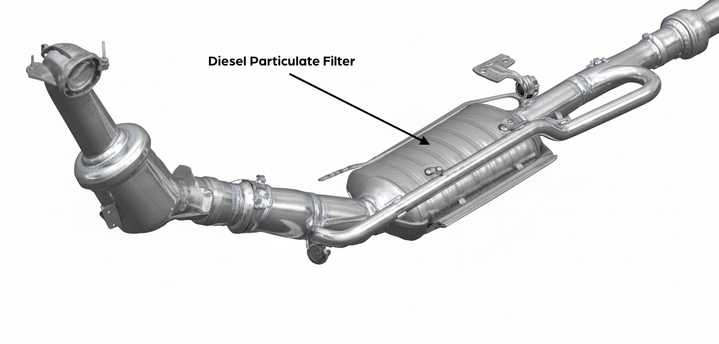
Euro 5 emissions rules made the filter effectively necessary, which is why most UK diesel cars built from around 2009 onwards carry a diesel particulate filter as standard. You’ll find it fitted to the exhaust, helping trap soot from the engine before it can leave your car.
Trapping comes with a side effect: A filter that keeps collecting soot can, over time, become restricted. The good news is the DPF cleans itself, burning away its trapped soot at high temperature when conditions are right.
This self-cleaning process, called regeneration, is central to this guide.
When Euro 6 standards arrived in September 2016, they brought in tighter limits for nitrogen oxide (NOx) and particulate matter on newly registered diesel cars. Most modern diesel vehicles meet them by combining several emissions-control systems, with the DPF carrying a key role on particulate emissions. MOT rules add weight here too: Since 2014, evidence of removal, tampering, or emissions-related faults can mean a failed test.
That’s the diesel particulate filter explained at the headline level. Now, let’s get into how regeneration actually works.
How Does a DPF Work? Following Regeneration from Start to Finish
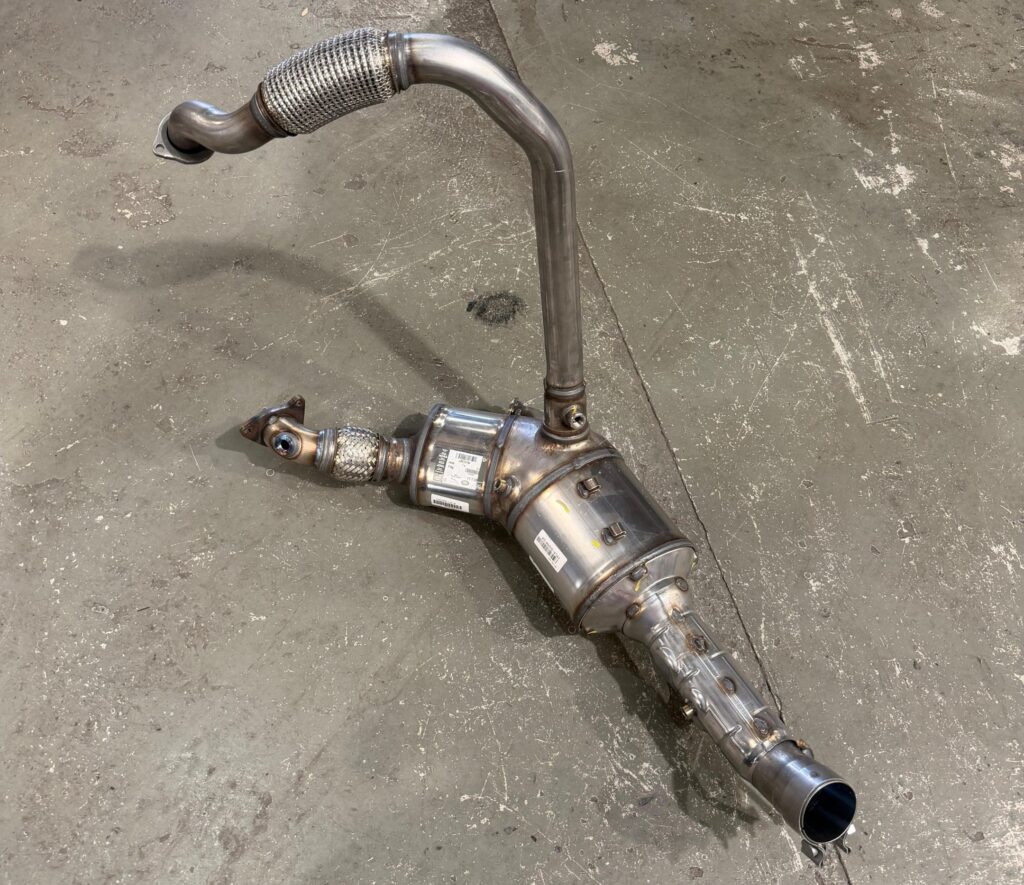
Exhaust gases pass through a honeycomb-like structure, in most cases made from ceramic, and the soot they carry gets caught along the way; that’s the inside of a DPF at work. The trade-off is a filter that steadily fills.
Cleaning happens automatically when conditions allow, through the process called regeneration.
There are usually two main methods of regeneration:
- Passive regeneration: Happens naturally where exhaust temperatures sit high enough, for long enough, to burn away the gathered soot. Day to day, sustained driving is what tends to create those conditions; most drivers notice nothing.
- Active regeneration: Soot reaching a set threshold in the DPF prompts the engine management system to trigger this method, which raises exhaust temperatures to where regeneration can happen. A small change in engine note or a rise in fuel use might be your only clue.
The reality is, it doesn’t all take care of itself…
An engine switched off mid-cycle interrupts regeneration, and some soot can stay behind in the filter. Repeat the pattern enough times, and the build-up can grow; a DPF warning light may eventually appear, and the car may restrict performance (e.g. limp mode).
So, “How does a DPF work?” Two main regeneration methods, both hinging on the vehicle reaching the right operating conditions and holding them while soot is burned away. That’s the diesel particulate filter explained from the inside, and it points straight at the value of regular longer journeys.
How Short Trips Hold Back Your DPF’s Self-Cleaning
Of all the questions diesel owners ask, “Why does my diesel car need long journeys?” might be the one that matters most day to day.
The short answer: Regeneration needs sustained conditions, and brief trips don’t deliver them.
School runs, short trips to the shops, and stop-start town driving can keep the exhaust system from reaching what regeneration needs to finish. Each cut-short cycle can leave soot behind, and over time the build-up can reach the point where warnings appear, and professional attention is needed.
Longer, continuous journeys make it more likely that your vehicle’s DPF reaches the specific temperature and operating conditions it was designed to work within.
If a DPF warning light has appeared, having the filter assessed is the sensible move.
Our team at Roade Main Garage, Northampton, can advise on the next steps on 01604 862262.
Beyond the Filter: Other Systems That Shape DPF Health
Take the Exhaust Gas Recirculation (EGR) valve first. By directing a portion of exhaust gas back into the engine, it helps reduce harmful emissions.
Carbon from soot and oil vapour can settle on the valve as deposits build, until it responds slowly, sticks, or becomes restricted.
Why does that matter for your DPF?
An EGR issue can, depending on the nature of the fault, raise soot production, adding extra strain to the DPF.
There’s also AdBlue. Diesel vehicles registered after September 2016 are likely to have an AdBlue system.
So what is AdBlue, and why does it matter for your diesel emissions?
It’s a fluid the car injects into the exhaust system, and it gives the SCR (Selective Catalytic Reduction) catalyst what it needs to turn nitrogen oxides into nitrogen and water vapour.
Your car monitors AdBlue fluid levels and lets you know when it’s low. On some vehicles, if the system runs dry or a system fault is detected, performance can be restricted or the engine prevented from restarting. These symptoms can sometimes overlap with DPF warnings, so an expert diagnosis may need to take in both systems.
The Signals That Point to a Possible DPF Problem
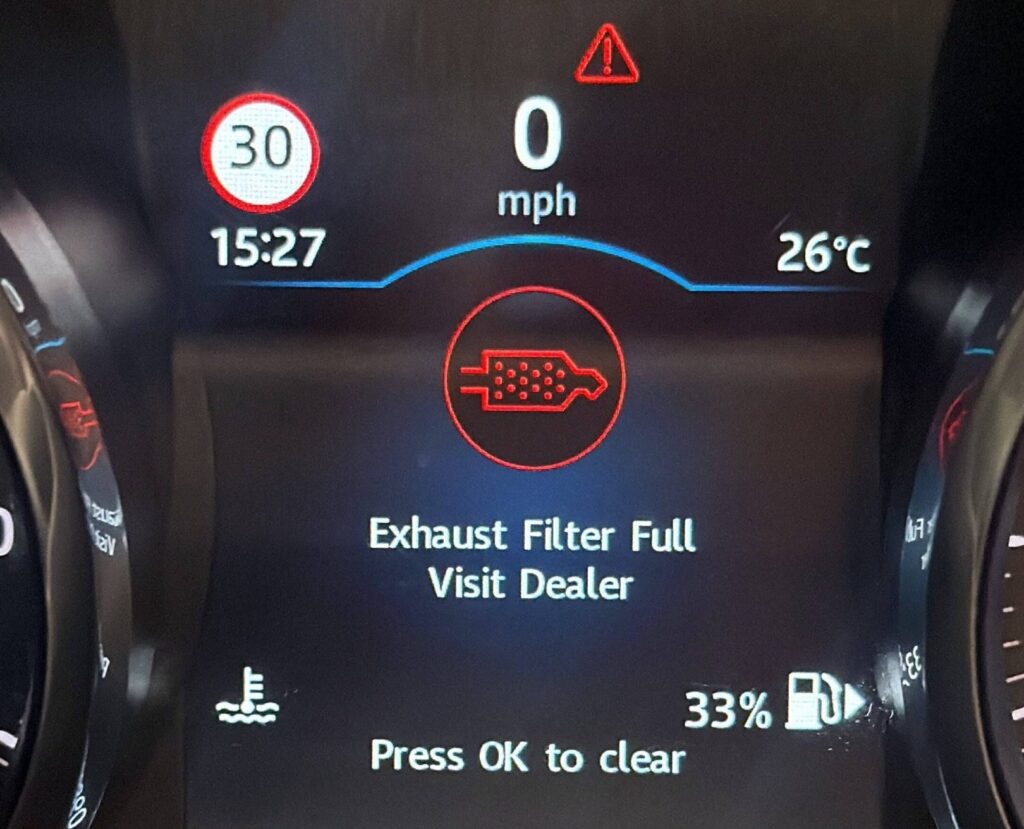
DPF faults can keep a low profile. Your car usually gives you clues, though:
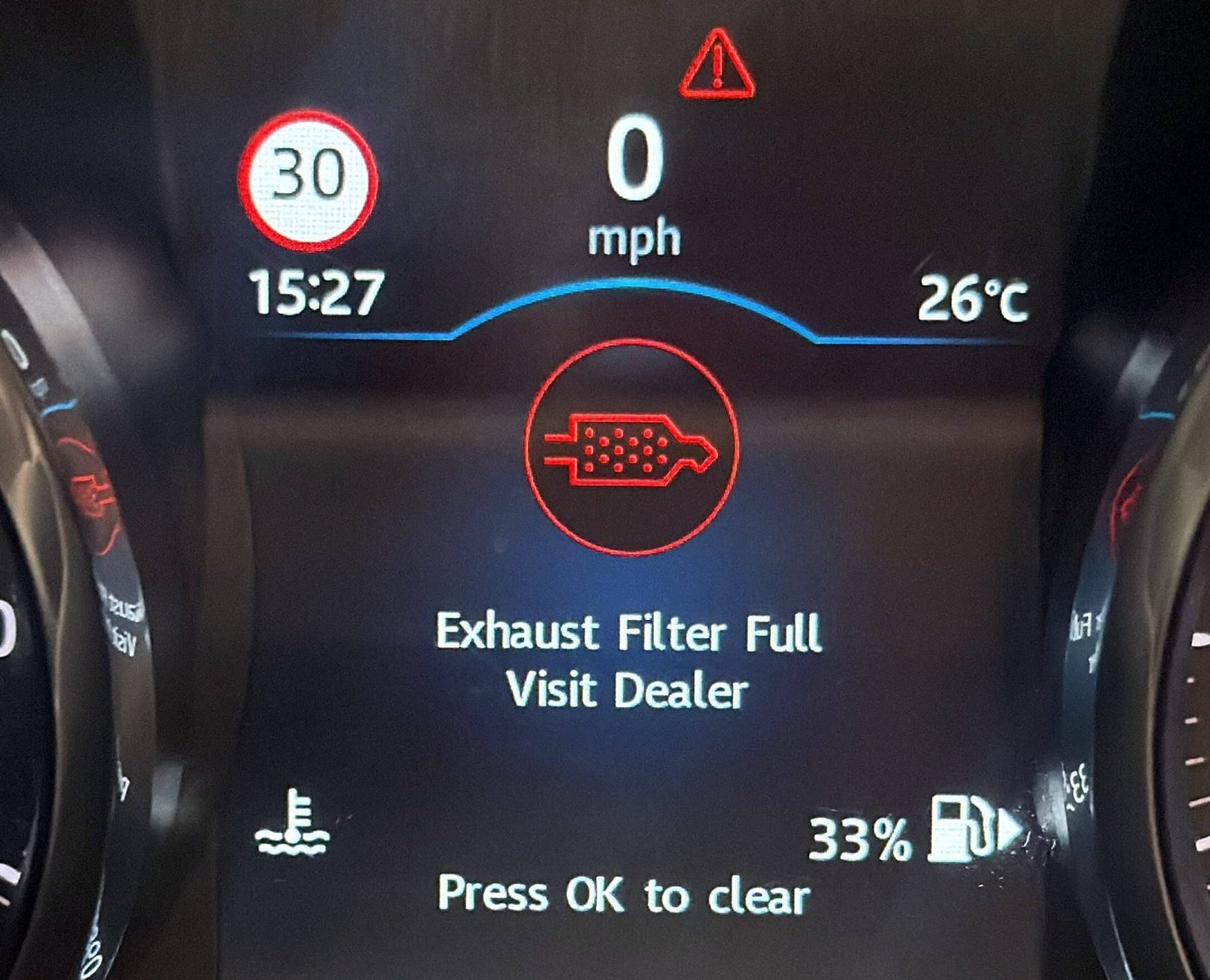
- A dashboard DPF warning light: It can mean too much soot has gathered in the filter, or that the vehicle has picked up a fault affecting the DPF or its monitoring and management systems.
- Limp mode or reduced engine power: Performance may be limited by the engine management system once it detects a fault affecting engine operation or emissions control.
- Using more fuel than usual: When regeneration keeps starting without finishing, the extra fuel each attempt uses can push consumption up.
- Visible smoke or an unusual exhaust smell: Both can signal a fault affecting the engine or emissions system, and neither should be left unchecked.
These symptoms can overlap, and they don’t all point straight at the DPF. Several systems work alongside the filter in a modern vehicle, and this is why accurate diagnosis needs specialist assessment.
If any of these sound familiar, let our experts at Roade Main Garage, Northampton, take a closer look at your DPF.
Everyday Habits That Help Protect Your DPF
There’s no engineering degree required here. Caring for your car’s DPF comes down to a few habits:
- Make room for longer journeys: Regeneration gets its best opportunity when the engine and exhaust system can reach the right conditions and keep them, which is what longer, uninterrupted driving provides.
- Take warning lights seriously: Promptly investigating a DPF warning light matters, because an underlying issue left undiagnosed can worsen.
- Pick an expert garage: The component a warning light points to and the actual root cause can sit in different places, which is why an accurate assessment by an expert counts.
Now you can consider the diesel particulate filter explained, maintenance habits included. Use what you’ve learned here, and you’ll be better placed to spot potential issues before they grow.
Why Choose Roade Main Garage for Your DPF Assessment?
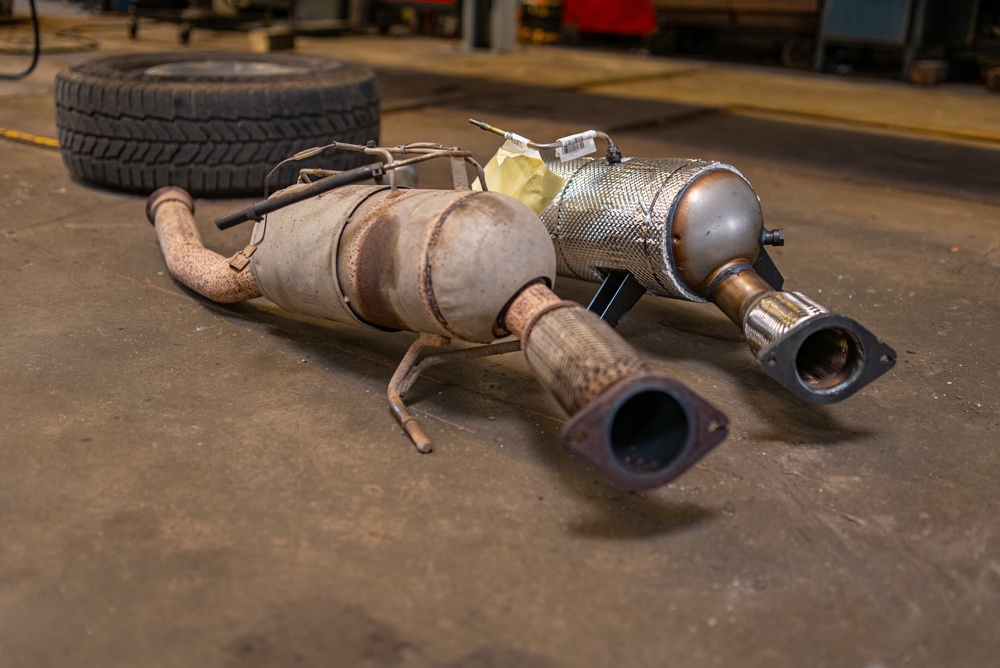
So, with the diesel particulate filter explained, where should you turn when something needs checking?
Appearances can mislead with DPF faults… What looks like a filter problem can sometimes trace back to a fault elsewhere in the diesel emissions system, which is why the right garage and experts matter, and why an accurate diagnosis comes first.
Our technicians at Roade Main Garage, Northampton, bring experience first, supported by manufacturer-level technology and proven processes, to pin down DPF and emissions-system faults accurately. Should the diagnosis call for it, cleaning, regeneration procedures, repair, or replacement can all be carried out by our team, in accordance with the manufacturer’s repair guidance.
By choosing Roade Main Garage, you benefit from:
- Our team uses the same technology and reference data as the main dealerships.
- A 12-month parts and labour guarantee on our work.
- Courtesy car options are available while your car is with us.
- Experts serving Northampton and Milton Keynes.
Join the {{review-count}} customers who’ve rated us {{average-rating}} stars on Google for friendly expert service, honesty, and excellent value.
Ring 01604 862262 to book your DPF assessment at Roade Main Garage, Northampton, today.
DPF Questions Diesel Owners Ask
What is a diesel particulate filter and why does my car have one?
The diesel particulate filter (DPF) forms part of your diesel vehicle’s exhaust, fitted to help capture particulate matter (soot) and stop it reaching the atmosphere. Most diesel cars sold in the UK have carried one since around 2009, and evidence of removal or tampering can result in an MOT failure.
And how does a DPF work? Regeneration is the answer: The filter burns trapped soot away at high exhaust temperature when conditions allow. There are usually two main methods of regeneration, passive and active. The passive form happens while exhaust temperatures stay high enough to burn away gathered soot; the active form is triggered by the engine management system once soot loading reaches a set threshold.
Why does my diesel car need long journeys to stay healthy?
Your DPF needs suitable exhaust temperatures to burn away soot, and keeping them up is easier on longer journeys driven at a steady speed, without interruption. Short journeys are a leading reason regeneration doesn’t complete; faults within the emissions system can prevent it as well.
How do I know if my DPF is blocked?
Among the most common signs of a blocked DPF is a DPF warning light. Reduced power, higher fuel consumption, or a difference in how the engine runs may appear alongside it.
However, more than one issue can produce these symptoms, so an assessment is worthwhile. Our team at Roade Main Garage, Northampton, can dig into the cause and advise.
Can a DPF be repaired, or does it need replacing?
Whether a DPF can be repaired or not comes down to its condition and what caused the fault. In many cases, replacement isn’t needed, and a restricted DPF can be restored. Our team at Roade Main Garage, Northampton, can assess the condition of your vehicle’s DPF and recommend the right approach.